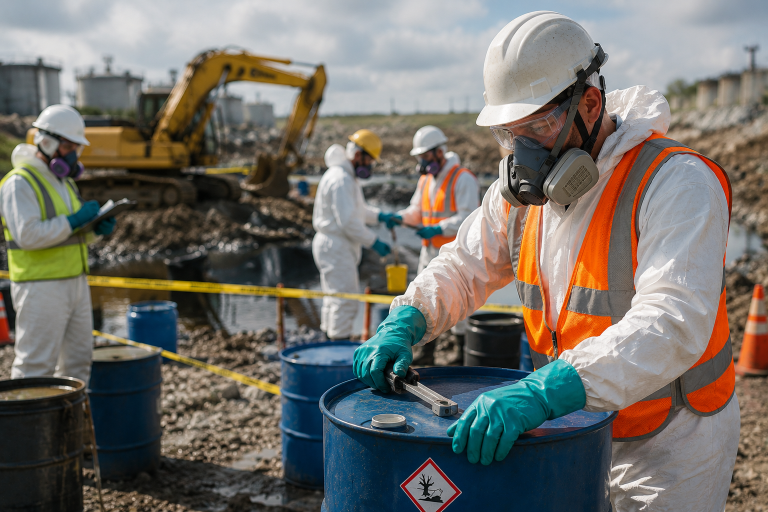
Many workers have heard of HAZWOPER training but are often unsure whether they need the 24-Hour or 40-Hour course. OSHA’s HAZWOPER requirements are based on the specific duties employees perform, the types of hazardous substances they may encounter, and the level of exposure associated with their work. As a result, not every worker who enters an industrial site, construction project, or environmental remediation area automatically requires the same level of training.
The 40-Hour HAZWOPER course is designed for workers who are regularly exposed to hazardous substances or who participate in hazardous waste operations covered under OSHA’s Hazardous Waste Operations and Emergency Response standard, 29 CFR 1910.120. These workers often perform activities such as hazardous waste cleanup, environmental remediation, site investigations, contaminated soil handling, and other operations where significant exposure to hazardous materials may occur.
Understanding who needs 40-Hour HAZWOPER training is important for both employees and employers. Proper training helps workers recognize hazards, use protective equipment correctly, follow safe work practices, and meet OSHA compliance requirements. Employers must also ensure that employees receive the appropriate level of training before performing covered work activities.
In this guide, we’ll explain who typically needs 40-Hour HAZWOPER training, which job roles commonly require it, when OSHA mandates the training, and how employers can determine the appropriate training level for their workforce.
Quick Answer: Who Needs 40-Hour HAZWOPER Training?
Workers who regularly perform hazardous waste operations, environmental remediation activities, uncontrolled hazardous waste site work, or other duties involving significant exposure to hazardous substances generally require 40-Hour HAZWOPER training under OSHA's Hazardous Waste Operations and Emergency Response (HAZWOPER) standard, 29 CFR 1910.120.
Common examples include hazardous waste cleanup workers, environmental technicians, remediation specialists, site safety officers, industrial hygienists, and other personnel who enter contaminated work areas as part of their regular job duties.
- Hazardous waste cleanup workers
- Environmental remediation personnel
- Environmental technicians
- Site safety and health officers
- Industrial hygienists
- Field geologists and environmental engineers
- Workers entering contaminated exclusion zones
What Is 40-Hour HAZWOPER Training?
What Is 40-Hour HAZWOPER Training? 40-Hour HAZWOPER training is an OSHA-required safety training program designed for workers who perform hazardous waste operations or who may be exposed to hazardous substances as part of their job duties. HAZWOPER stands for Hazardous Waste Operations and Emergency Response, and the training requirements are established under OSHA 29 CFR 1910.120.
The primary purpose of 40-Hour HAZWOPER training is to protect workers who operate in potentially dangerous environments where hazardous materials, contaminated soil, toxic chemicals, or other hazardous substances may be present. The training provides workers with the knowledge and skills necessary to identify hazards, understand exposure risks, and follow safe work practices while performing their duties.
A typical 40-Hour HAZWOPER course covers a wide range of topics related to worker safety and regulatory compliance. Participants learn how to recognize physical, chemical, biological, and radiological hazards that may be encountered on hazardous waste sites. The training also introduces workers to hazard assessment techniques, site characterization procedures, and methods for evaluating potential exposure risks.
Personal protective equipment (PPE) is another major component of the training. Workers learn about the selection, limitations, inspection, and proper use of protective clothing, gloves, respiratory protection, and other equipment designed to reduce exposure to hazardous substances. Understanding PPE requirements is critical for protecting worker health and preventing injuries in contaminated environments.
The course also covers decontamination procedures, which help prevent the spread of hazardous materials from contaminated work zones to clean areas. Workers learn how decontamination stations operate, why proper decontamination is important, and the steps necessary to safely remove contaminants from personnel and equipment.
In addition, 40-Hour HAZWOPER training introduces emergency response principles, including spill response procedures, emergency communication methods, evacuation protocols, and incident command concepts. These topics help workers understand how to respond appropriately if an emergency occurs at a hazardous waste site.
Beyond improving workplace safety, the training helps employers and employees meet OSHA compliance requirements. Employers are responsible for determining whether workers fall under the HAZWOPER standard and for ensuring that covered employees receive the appropriate training before beginning hazardous waste operations.
For a more detailed overview of OSHA’s regulatory requirements, see our guide on OSHA HAZWOPER Requirements Explained.
When Does OSHA Require 40-Hour HAZWOPER Training?
OSHA generally requires 40-Hour HAZWOPER training when workers are involved in hazardous waste operations or face significant exposure to hazardous substances as part of their regular job duties. The requirements are established under OSHA’s Hazardous Waste Operations and Emergency Response (HAZWOPER) standard, 29 CFR 1910.120, and apply to a variety of industries and work environments.
While every job site must be evaluated individually, there are several common situations where 40-Hour HAZWOPER training is often required.
Uncontrolled Hazardous Waste Sites
One of the most common applications of 40-Hour HAZWOPER training involves work performed at uncontrolled hazardous waste sites. These locations may contain hazardous substances that pose potential risks to worker health and safety.
Examples include:
Superfund cleanup sites
Brownfield remediation projects
Abandoned industrial facilities
Former manufacturing plants
Chemical spill cleanup locations
Contaminated land redevelopment projects
Workers who enter contaminated areas, collect samples, perform remediation activities, or assist with site cleanup operations at these locations often require 40-Hour HAZWOPER training.
Environmental Remediation Projects
Environmental remediation activities frequently involve direct contact with contaminated soil, groundwater, hazardous waste, or other regulated materials. Because workers may be exposed to hazardous substances during these operations, OSHA often requires HAZWOPER training.
Common examples include:
Soil remediation projects
Groundwater remediation activities
Site investigations and environmental assessments
Underground storage tank removals
Contaminated property redevelopment
Environmental restoration projects
Environmental technicians, remediation specialists, field geologists, environmental engineers, and site safety personnel commonly perform these activities and may require 40-Hour HAZWOPER training depending on the nature of their work.
Hazardous Waste Operations
Workers who handle, characterize, remove, or manage hazardous waste may also fall under OSHA’s HAZWOPER requirements.
Examples of hazardous waste operations include:
Waste characterization and sampling
Hazardous material handling
Hazardous waste packaging and transportation preparation
Site cleanup operations
Contaminated material removal
Hazardous waste storage area activities
Because these tasks can involve significant exposure to hazardous substances, workers often need comprehensive training to understand hazards, protective measures, and safe work procedures.
Emergency Response Activities
Certain emergency response operations involving releases of hazardous substances may also require HAZWOPER training. Examples include chemical spills, hazardous material releases, transportation incidents, and industrial accidents involving dangerous substances.
The specific training requirements depend on the worker’s role during the response. Personnel who actively respond to hazardous substance releases generally require specialized HAZWOPER emergency response training, while workers involved in cleanup and remediation activities following the incident may require the full 40-Hour HAZWOPER course.
Employers are responsible for evaluating job duties, potential exposures, and site conditions to determine whether workers must complete 40-Hour HAZWOPER training before performing covered activities.
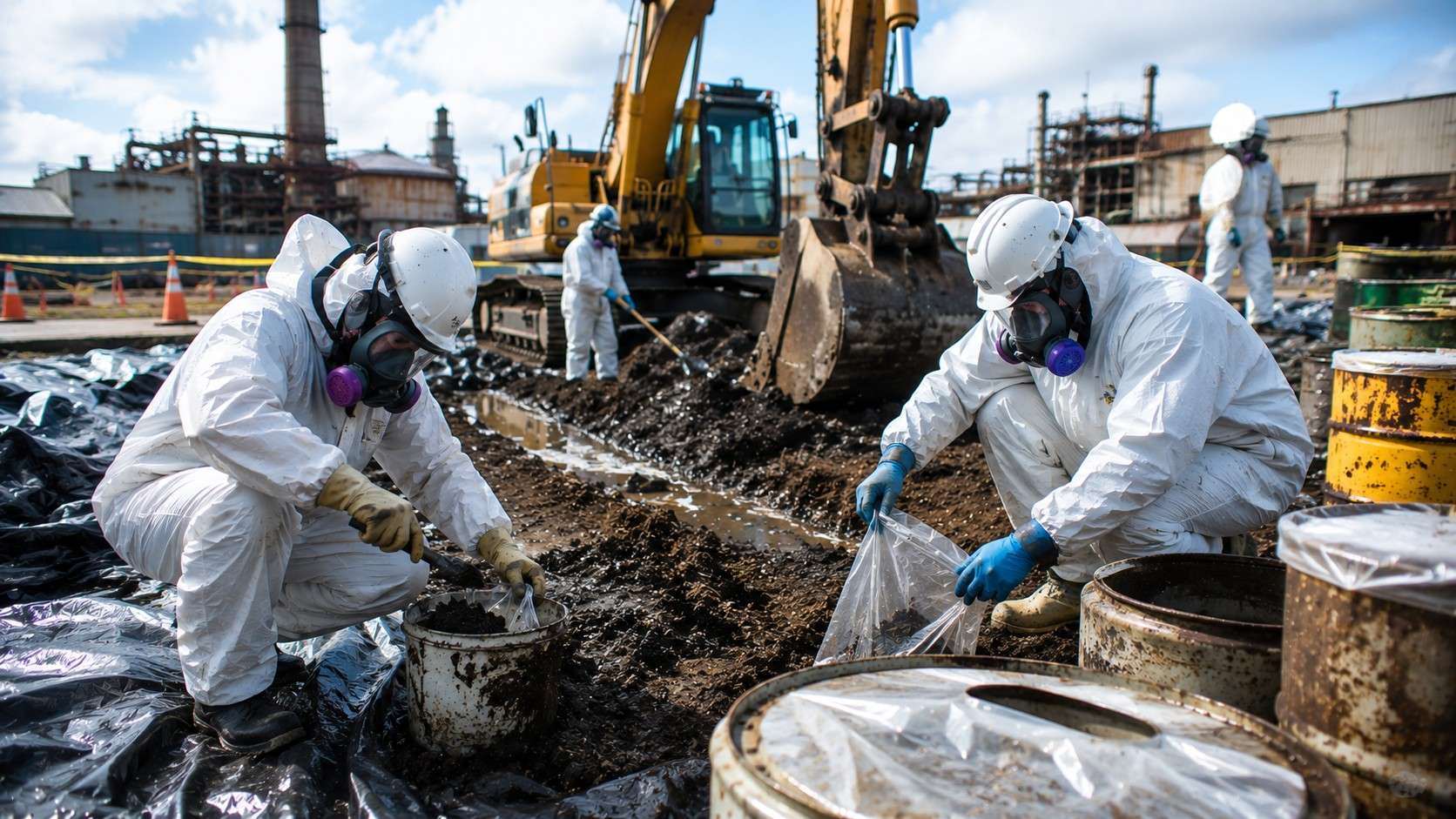
What Jobs Specifically Require 40-Hour HAZWOPER Training?
One of the most common questions workers and employers ask is whether a specific job title requires 40-Hour HAZWOPER training. The answer depends on the employee’s actual job duties, work environment, and potential exposure to hazardous substances. OSHA focuses on the tasks being performed rather than the job title itself.
The table below provides a general overview of occupations that commonly require 40-Hour HAZWOPER training.
| Job Title | 40-Hour HAZWOPER Typically Required? |
|---|---|
| Hazardous Waste Cleanup Worker | Yes |
| Environmental Technician | Yes |
| Remediation Specialist | Yes |
| Site Safety Officer | Yes |
| Industrial Hygienist | Often |
| Environmental Engineer | Often |
| Geologist Performing Field Investigations | Often |
| Groundwater Sampling Technician | Sometimes |
| Emergency Response Personnel | Depends |
| Construction Laborer | Depends |
| Administrative Personnel | No |
Hazardous Waste Cleanup Workers
Hazardous waste cleanup workers are among the most common employees required to complete 40-Hour HAZWOPER training. These workers frequently enter contaminated areas, handle hazardous materials, perform cleanup activities, and face direct exposure to hazardous substances.
Environmental Technicians
Environmental technicians often collect environmental samples, conduct site investigations, perform monitoring activities, and assist with remediation projects. Because these duties frequently occur in contaminated environments, 40-Hour HAZWOPER training is commonly required.
Remediation Specialists
Remediation specialists are directly involved in cleaning up contaminated soil, groundwater, and hazardous waste sites. Their regular exposure to hazardous substances generally makes 40-Hour HAZWOPER training necessary.
Site Safety Officers
Site Safety Officers oversee worker protection programs, hazard assessments, PPE requirements, and site safety procedures. Since they often enter contaminated work zones and supervise hazardous waste operations, 40-Hour HAZWOPER training is typically required.
Industrial Hygienists
Industrial hygienists evaluate workplace hazards, conduct exposure assessments, and perform air monitoring activities. When working at hazardous waste sites or contaminated locations, they frequently require 40-Hour HAZWOPER training.
Environmental Engineers
Environmental engineers involved in remediation projects, site investigations, and hazardous waste operations may require 40-Hour HAZWOPER training, particularly when they perform field work in contaminated areas rather than strictly office-based duties.
Geologists Performing Field Investigations
Geologists who conduct soil sampling, groundwater investigations, drilling oversight, and environmental site assessments often enter contaminated work areas. Depending on the project scope, 40-Hour HAZWOPER training is commonly required.
Groundwater Sampling Technicians
Groundwater sampling technicians may require 40-Hour HAZWOPER training when collecting samples from contaminated sites. However, some projects involve limited exposure scenarios where different training requirements may apply.
Emergency Response Personnel
Emergency response personnel have specialized HAZWOPER requirements that depend on their specific responsibilities. Workers who actively respond to hazardous substance releases may need additional emergency response training beyond the standard 40-Hour HAZWOPER course.
Construction Laborers
Construction laborers do not automatically require 40-Hour HAZWOPER training. However, workers involved in contaminated site redevelopment, remediation projects, or hazardous waste cleanup activities may fall under OSHA’s HAZWOPER requirements.
Administrative Personnel
Administrative employees who work exclusively in offices and do not enter hazardous waste operations generally do not require 40-Hour HAZWOPER training.
Ultimately, employers must evaluate actual job duties and potential exposure risks rather than relying solely on job titles. Workers who regularly perform hazardous waste operations or enter contaminated work areas are the individuals most likely to require 40-Hour HAZWOPER training under OSHA 29 CFR 1910.120.
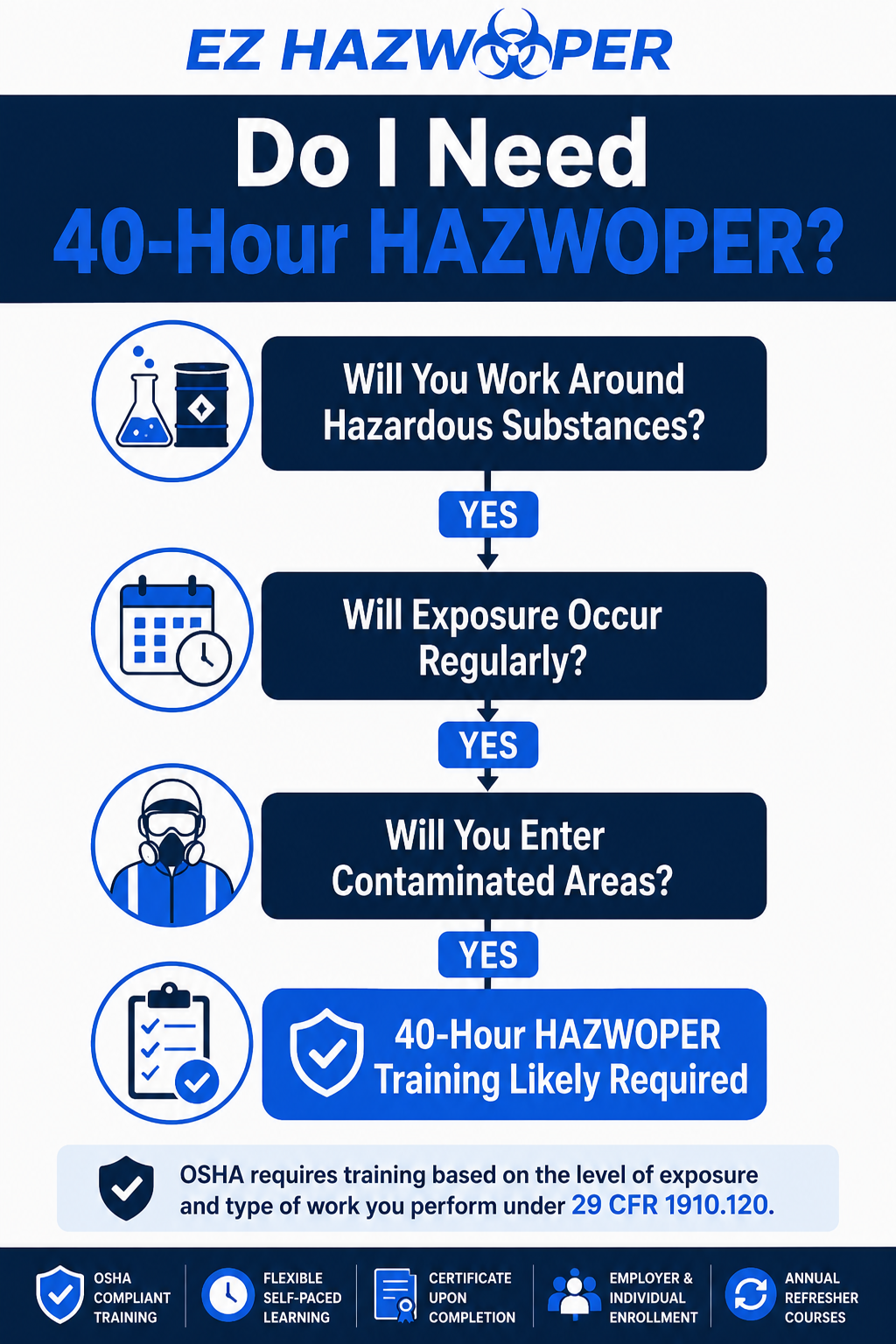
Who Does Not Usually Need 40-Hour HAZWOPER Training?
While 40-Hour HAZWOPER training is required for many workers involved in hazardous waste operations, not every employee who works at or visits an industrial facility, construction site, or remediation project automatically needs this level of training. OSHA’s requirements are based on actual job duties, exposure potential, and the nature of the work being performed.
Several categories of workers typically do not require 40-Hour HAZWOPER training.
Office Personnel
Office employees who perform administrative duties in office settings and do not enter hazardous waste work areas generally do not require 40-Hour HAZWOPER training. This includes personnel involved in accounting, human resources, customer service, management, and other office-based functions.
Administrative Staff
Administrative staff who support hazardous waste operations from non-contaminated locations typically do not need HAZWOPER training unless their duties require them to enter regulated work zones or participate in hazardous waste operations.
Site Visitors
Visitors, clients, inspectors, vendors, and other individuals making brief visits to a site generally do not require 40-Hour HAZWOPER training. However, employers may need to provide site-specific safety briefings, escorts, or other protective measures depending on the nature of the visit and the hazards present.
Limited Exposure Workers
Some workers may occasionally enter areas where hazardous substances are present but do not perform activities that involve significant exposure. Depending on their duties, these employees may qualify for a lower level of training rather than the full 40-Hour HAZWOPER course.
Contractors Not Involved in Hazardous Waste Operations
Contractors working on construction, maintenance, utility, or support activities at a site do not automatically require 40-Hour HAZWOPER training. If their work does not involve hazardous waste operations, environmental remediation, contaminated soil handling, or other covered activities, OSHA may not require HAZWOPER training.
Alternative Training Requirements
In some situations, workers who do not meet the criteria for 40-Hour HAZWOPER training may still need other forms of safety training.
For example, certain workers may qualify for:
The key factor is not a worker’s job title but the actual duties performed and the level of exposure to hazardous substances. Employers should evaluate each position individually to determine the appropriate training requirements.
If you’re unsure whether a worker requires 24-Hour or 40-Hour HAZWOPER training, see our guide on 40-Hour vs. 24-Hour HAZWOPER Training for a detailed comparison of OSHA’s training requirements.
Common Misconception
Many workers assume that every construction project automatically requires 40-Hour HAZWOPER training. In reality, OSHA does not require HAZWOPER simply because someone works in construction.
HAZWOPER training is generally required only when workers perform hazardous waste operations, participate in environmental remediation activities, enter contaminated work areas, or face significant exposure to hazardous substances covered under OSHA 29 CFR 1910.120.
A construction worker building a new office building on a clean site may not need HAZWOPER training. However, a worker excavating contaminated soil at a former industrial property or assisting with environmental cleanup activities may require 40-Hour HAZWOPER training before beginning work.
Industries Where 40-Hour HAZWOPER Is Commonly Required
While OSHA’s HAZWOPER requirements are based on job duties rather than industry alone, certain industries frequently involve hazardous waste operations, environmental remediation activities, or exposure to hazardous substances. Workers in these sectors are among the most likely to require 40-Hour HAZWOPER training.
Environmental Remediation
Environmental remediation is one of the industries most closely associated with 40-Hour HAZWOPER training. Workers in this field are responsible for identifying, containing, removing, or treating contamination in soil, groundwater, sediment, and other environmental media.
Examples include:
Contaminated soil excavation
Groundwater cleanup projects
Brownfield redevelopment
Site investigations and environmental assessments
Underground storage tank remediation
Environmental technicians, remediation specialists, field geologists, and environmental engineers commonly require HAZWOPER training when performing these activities.
Hazardous Waste Cleanup
Workers involved in hazardous waste cleanup operations often face direct exposure to hazardous materials and contaminated environments. OSHA developed the HAZWOPER standard specifically to address many of these situations.
Examples include:
Superfund site cleanup projects
Chemical waste removal
Industrial site remediation
Hazardous waste drum handling
Contaminated debris removal
These workers frequently require the full 40-Hour HAZWOPER training due to the nature of their work.
Petrochemical Facilities
Petrochemical facilities handle large quantities of chemicals, fuels, and hazardous substances. Although not every employee at a petrochemical facility requires HAZWOPER training, workers involved in cleanup operations, spill response, remediation projects, or contaminated site activities may fall under OSHA’s HAZWOPER requirements.
Examples include:
Refinery remediation projects
Tank farm cleanup operations
Chemical release response activities
Contaminated soil investigations
Chemical Manufacturing
Chemical manufacturing facilities often use, store, and process hazardous materials. Workers responsible for cleanup operations, waste management activities, environmental investigations, or hazardous substance response activities may require HAZWOPER training.
Examples include:
Chemical spill cleanup
Hazardous waste management
Process area remediation
Environmental compliance investigations
Government Cleanup Projects
Federal, state, and local government agencies frequently oversee cleanup activities at contaminated properties. These projects often involve contractors, environmental consultants, engineers, and technicians working under HAZWOPER requirements.
Examples include:
EPA-led remediation projects
State environmental cleanup programs
Municipal contamination investigations
Public infrastructure remediation projects
Military Site Remediation
Former military installations and defense facilities often require extensive environmental restoration work. Historical operations may have resulted in contamination requiring investigation and cleanup.
Examples include:
Former military base cleanup
Munitions-related contamination projects
Fuel storage remediation
Environmental restoration programs
Workers involved in these projects commonly require 40-Hour HAZWOPER training before entering contaminated work zones.
Utility Infrastructure Projects
Utility projects occasionally encounter contaminated soil, groundwater, or hazardous materials during excavation and construction activities. When workers perform remediation work or enter contaminated areas, HAZWOPER requirements may apply.
Examples include:
Utility corridor remediation
Pipeline cleanup projects
Substation contamination investigations
Excavation within contaminated properties
The specific training requirements depend on the nature of the contamination and the worker’s exposure potential.
Emergency Response Organizations
Organizations responsible for responding to hazardous substance releases often employ personnel who require specialized HAZWOPER training. The exact training requirements depend on each responder’s role during an incident.
Examples include:
Hazardous materials (HazMat) teams
Industrial emergency response teams
Chemical spill response contractors
Environmental emergency response organizations
These workers may require additional emergency response training beyond standard 40-Hour HAZWOPER requirements depending on their responsibilities during a hazardous substance release.
Although these industries commonly require HAZWOPER-trained personnel, employers must still evaluate specific job duties and exposure risks to determine whether 40-Hour HAZWOPER training is necessary for individual workers.
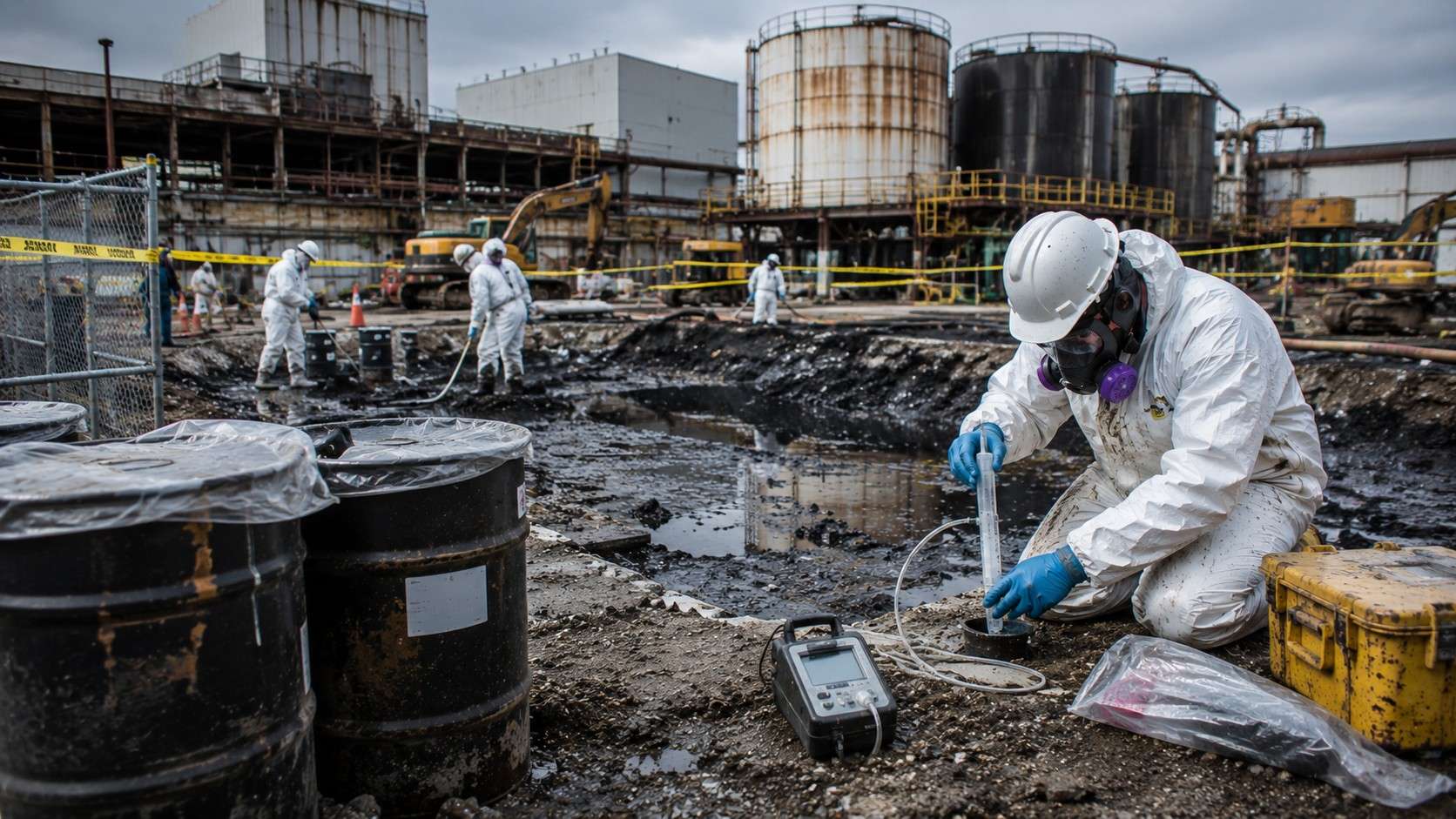
Employer Responsibilities Under OSHA
OSHA’s HAZWOPER standard places significant responsibility on employers to protect workers who may be exposed to hazardous substances. Simply sending employees to a training course is not enough. Employers must evaluate workplace hazards, provide appropriate training, implement safety procedures, and maintain compliance with OSHA’s Hazardous Waste Operations and Emergency Response requirements.
Hazard Assessments
Before work begins, employers must evaluate site conditions and identify potential hazards that workers may encounter. This assessment helps determine exposure risks, necessary protective measures, and the level of training required for each employee.
Hazard assessments may include:
Site characterization activities
Air monitoring
Chemical hazard identification
Physical hazard evaluations
Exposure assessments
Review of historical site contamination data
Accurate hazard assessments form the foundation of an effective HAZWOPER safety program.
Determining Appropriate Training Levels
Employers are responsible for determining whether workers require:
Site-specific safety training
Emergency response training
Additional OSHA-required safety training
The appropriate training level depends on job duties, work location, exposure potential, and the types of hazardous substances present at the site.
Medical Surveillance Requirements
Certain workers covered by OSHA’s HAZWOPER standard must participate in a medical surveillance program. Medical surveillance helps ensure workers are physically capable of performing assigned duties and can safely use required protective equipment such as respirators.
Medical evaluations may include:
Pre-placement examinations
Periodic medical evaluations
Respirator medical clearances
Exposure-related examinations
Exit examinations when required
The specific requirements depend on the employee’s exposure level and work activities.
For a detailed explanation of these requirements, see our guide on HAZWOPER Medical Surveillance Requirements.
Personal Protective Equipment (PPE)
Employers must provide appropriate personal protective equipment whenever hazards cannot be adequately controlled through engineering or administrative controls.
Depending on site conditions, PPE may include:
Hard hats
Protective clothing
Chemical-resistant gloves
Safety boots
Eye and face protection
Respiratory protection
Employers must also ensure employees receive training on the proper use, inspection, maintenance, and limitations of PPE.
Site-Specific Safety Training
In addition to initial HAZWOPER training, employers must provide site-specific instruction addressing the unique hazards present at each project location.
Topics commonly covered include:
Site Safety and Health Plans (SSHPs)
Hazard communication procedures
Emergency response procedures
Site control measures
Work zone boundaries
Decontamination procedures
Project-specific hazards
Site-specific training helps workers understand the conditions and safety requirements unique to a particular job site.
Annual Refresher Requirements
Workers who are covered by HAZWOPER requirements generally must complete annual refresher training to maintain their knowledge and remain current with safety procedures.
The annual refresher typically reviews:
Hazard recognition
PPE requirements
Emergency response procedures
Regulatory updates
Site safety practices
Employers should track training dates and ensure workers complete refresher training before compliance gaps occur.
Documentation and Recordkeeping
OSHA requires employers to maintain various records demonstrating compliance with HAZWOPER requirements.
Common records include:
Training certificates
Medical surveillance records
Air monitoring results
Exposure assessments
Site Safety and Health Plans
PPE evaluations
Hazard assessments
Accurate documentation helps employers demonstrate compliance during inspections and provides important information for protecting worker health and safety.
Ultimately, OSHA places responsibility on employers to ensure workers receive the appropriate training, medical evaluations, protective equipment, and site-specific instruction necessary to safely perform hazardous waste operations. A strong HAZWOPER compliance program not only helps satisfy regulatory requirements but also reduces the risk of injuries, illnesses, and costly workplace incidents.
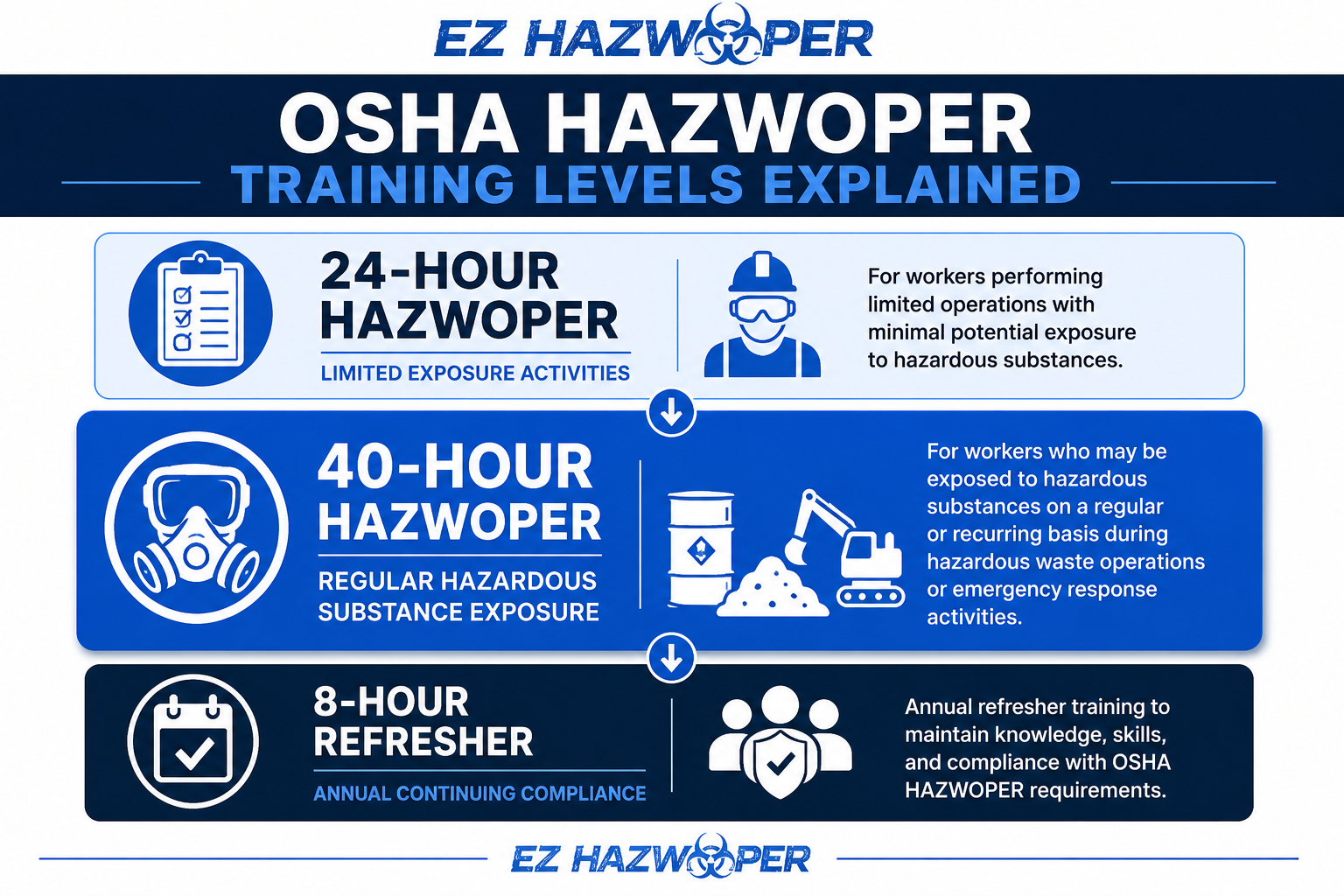
How to Obtain 40-Hour HAZWOPER Training
Workers who perform hazardous waste operations or regularly encounter hazardous substances must complete the appropriate OSHA-required training before beginning covered work activities. Fortunately, obtaining 40-Hour HAZWOPER training has become more convenient than ever, with many employers and workers choosing flexible online training options.
Online Training Options
Many OSHA-compliant training providers offer 40-Hour HAZWOPER courses online, allowing workers to complete the classroom portion of the training at their own pace. Online training can be especially beneficial for employees, contractors, environmental professionals, and organizations with workers located in multiple locations.
Benefits of online HAZWOPER training often include:
Self-paced learning
24/7 course access
Immediate course enrollment
Progress tracking
Reduced travel expenses
Convenient access from home or work
Online training allows workers to complete the required coursework while accommodating busy schedules and project demands.
OSHA-Compliant Course Content
A quality 40-Hour HAZWOPER course should cover the topics required by OSHA’s Hazardous Waste Operations and Emergency Response standard, 29 CFR 1910.120.
Typical course topics include:
Hazard recognition and identification
Toxicology fundamentals
Chemical and physical hazards
Site characterization and analysis
Personal protective equipment (PPE)
Air monitoring procedures
Decontamination methods
Medical surveillance requirements
Emergency response procedures
Site Safety and Health Plans (SSHPs)
Regulatory compliance responsibilities
The goal of the training is to provide workers with the knowledge necessary to recognize hazards, protect themselves, and safely perform hazardous waste operations.
Training Certificate
Upon successful completion of the course, participants typically receive a certificate documenting completion of the 40-Hour HAZWOPER training program.
Employers often require workers to provide proof of training before entering hazardous waste sites or participating in covered operations. Workers should retain copies of their certificates and training records for future employment and compliance purposes.
Hands-On Training Requirements
One of the most common questions about HAZWOPER training involves hands-on instruction. OSHA’s HAZWOPER standard requires workers to receive supervised field experience in addition to the initial training curriculum before performing certain hazardous waste operations independently.
The specific hands-on requirements depend on the worker’s job duties, employer policies, and site conditions. Employers are responsible for ensuring workers receive any necessary practical instruction and supervised experience before performing covered tasks.
Employer-Specific Requirements
In addition to initial HAZWOPER training, employers may require workers to complete site-specific training addressing the unique hazards present at a particular project or facility.
Examples may include:
Site Safety and Health Plan reviews
Emergency procedures
Work zone controls
Hazard communication requirements
Decontamination procedures
Project-specific PPE requirements
These additional training requirements help workers understand the conditions and safety expectations associated with a specific job site.
Maintaining Compliance Through Refresher Training
Completing the initial 40-Hour HAZWOPER course is only the first step. Workers covered by OSHA’s HAZWOPER standard generally must complete annual refresher training to maintain their knowledge and remain current with applicable safety procedures.
The 8-Hour HAZWOPER Refresher course helps workers review:
Hazard recognition principles
PPE requirements
Emergency response procedures
Regulatory updates
Safe work practices
Employers should track refresher deadlines carefully to help ensure ongoing compliance and worker safety.
For more information about annual training requirements, see our guide on HAZWOPER Refresher Requirements Explained.
By completing OSHA-compliant training, participating in required hands-on instruction, and maintaining annual refresher training, workers can remain qualified to safely perform hazardous waste operations while helping employers meet OSHA compliance obligations.
Frequently Asked Questions About 40-Hour HAZWOPER Training
Who needs 40-Hour HAZWOPER training?
Workers who regularly perform hazardous waste operations, environmental remediation activities, site investigations, or other tasks involving significant exposure to hazardous substances generally require 40-Hour HAZWOPER training under OSHA 29 CFR 1910.120.
What jobs require 40-Hour HAZWOPER?
Common examples include hazardous waste cleanup workers, environmental technicians, remediation specialists, site safety officers, industrial hygienists, environmental engineers, and geologists performing field investigations at contaminated sites.
Is 40-Hour HAZWOPER required for environmental consultants?
It depends on the consultant's duties. Environmental consultants who regularly enter contaminated areas, collect samples, or oversee remediation activities often require 40-Hour HAZWOPER training.
Do environmental engineers need 40-Hour HAZWOPER?
Environmental engineers performing field work at hazardous waste sites commonly require 40-Hour HAZWOPER training. Engineers who work exclusively in office settings may not need this level of training.
Do construction workers need 40-Hour HAZWOPER?
Not always. Construction workers generally require 40-Hour HAZWOPER training only when working on hazardous waste sites, environmental remediation projects, or in areas where significant exposure to hazardous substances may occur.
Can I take 40-Hour HAZWOPER online?
Yes. Many OSHA-compliant providers offer the classroom portion of 40-Hour HAZWOPER training online, allowing workers to complete the course at their own pace from any location with internet access.
Is hands-on training required?
OSHA requires workers performing certain hazardous waste operations to receive supervised field experience in addition to initial training. Employers are responsible for ensuring workers receive any required practical instruction before performing covered duties independently.
Is field experience required after completing training?
In many situations, yes. OSHA's HAZWOPER standard requires supervised field experience for workers involved in hazardous waste operations. Specific requirements depend on job duties and site conditions.
How long is 40-Hour HAZWOPER valid?
The initial 40-Hour HAZWOPER training remains current when workers complete annual refresher training. Covered workers generally must complete an 8-Hour HAZWOPER Refresher course each year to maintain compliance.
Is annual refresher training required?
Yes. OSHA generally requires workers covered by the HAZWOPER standard to complete annual refresher training to maintain their knowledge, skills, and compliance with applicable safety requirements.
What is the difference between 24-Hour and 40-Hour HAZWOPER?
The primary difference is the level of anticipated exposure and job responsibilities. Workers with limited exposure may qualify for 24-Hour HAZWOPER training, while workers who regularly perform hazardous waste operations typically require 40-Hour HAZWOPER training.
Does OSHA require medical surveillance?
Certain workers covered by OSHA's HAZWOPER standard must participate in a medical surveillance program. Requirements depend on exposure levels, respirator use, and the nature of the work being performed.
Need 40-Hour HAZWOPER Training Online?
EZ HAZWOPER offers OSHA-compliant online 40-Hour HAZWOPER training designed for workers, supervisors, environmental professionals, contractors, and employers who need to meet OSHA training requirements. Complete your training at your own pace and receive documentation upon successful completion.
- OSHA-compliant online training
- Self-paced learning available 24/7
- Certificate upon successful completion
- Employer and individual enrollment options
- Annual 8-Hour Refresher courses available